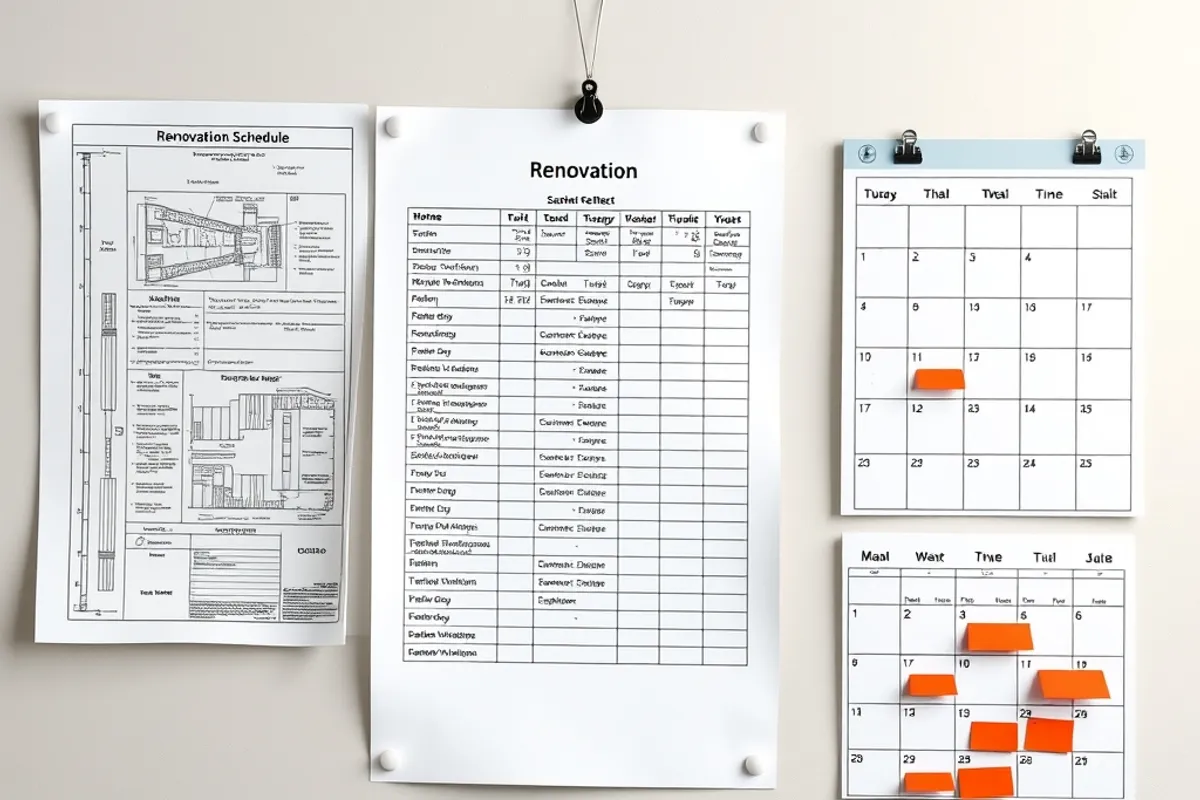
Most renovation schedules fail in the planning phase, not on the site. Homeowners budget for the build and forget the weeks spent designing, getting quotes, applying for permits and waiting for materials. By the time demolition starts, the calendar is already behind.
A realistic timeline is not pessimistic. It is the difference between a project you can manage and one that manages you. Here is how the weeks actually add up for a typical kitchen, bathroom or whole-room renovation in 2026.
Phase 1: design and decisions
Allow two to six weeks for design, depending on the size of the project. This is when you choose the layout, the finishes and the fixtures, and when you discover that the tiles you love are on a ten-week lead time. Decisions made here are cheap; decisions made during construction are expensive.
Meet the contractor during this phase, not after the drawings are finished. A builder can tell you what the existing structure will allow and what the permit office will ask for. That conversation often saves a redesign.
Phase 2: bidding and permits
Get three itemised bids and compare the scope. Allow two to four weeks for bidding and negotiation. Permit timelines vary widely by jurisdiction; a simple bathroom may take a week, while a structural change or an exterior addition can take several months. Ask the contractor who is responsible for the application and what the current wait is.
Do not demo before the permit is issued. If the work requires inspection, an early demolition can create a stop-work order and a fine, and it puts the project on the record in the worst way.
- Design: two to six weeks.
- Bidding: two to four weeks.
- Permits: one week to several months, depending on scope.
- Material ordering: varies, often the longest hidden delay.
Phase 3: ordering long-lead items
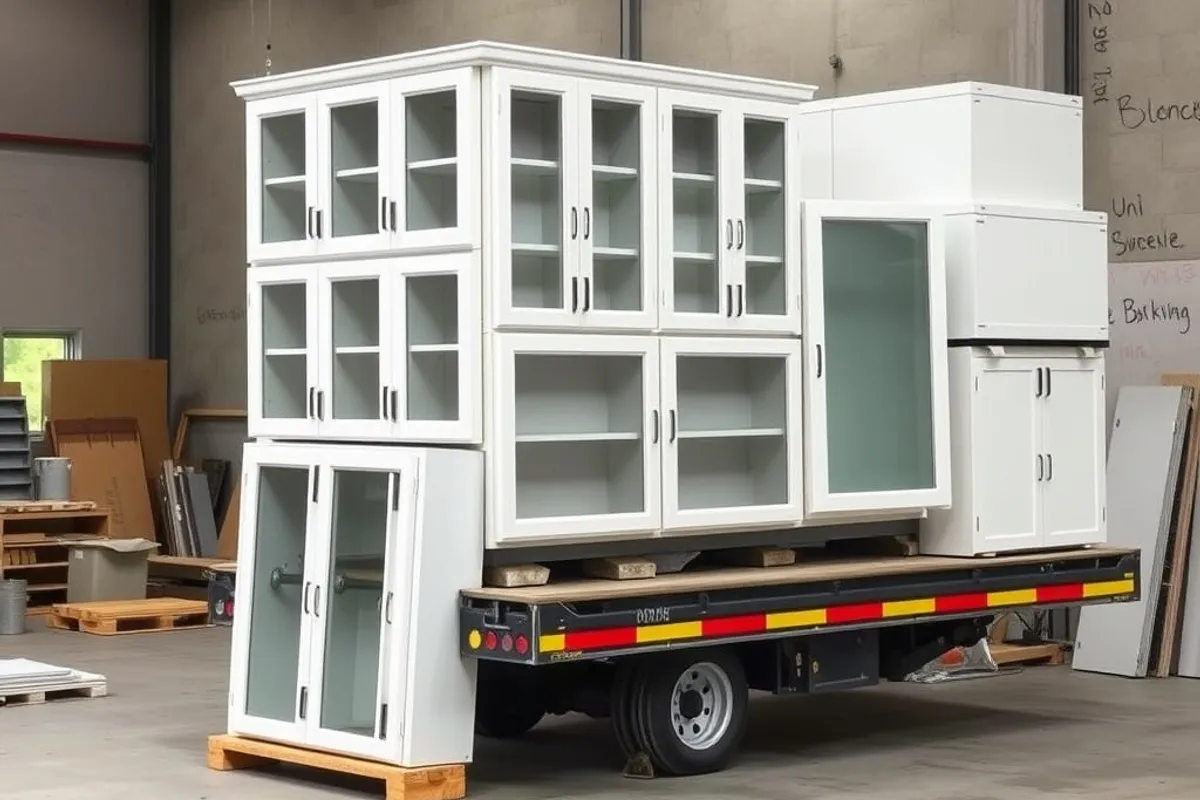
Cabinets, windows, specialty doors, some appliances and natural stone can take weeks or months to arrive. Order them as soon as the design is fixed and the measurements are confirmed. A renovation that is ready to tile but waiting for a vanity is a renovation that is paying for an empty room.
Ask each supplier for a written lead time and a delivery window. Add a buffer. If the schedule depends on a single item, consider a temporary alternative so the trades can keep moving.
The calendar is a chain of dependencies. The fastest way to finish is to protect the first link.
Phase 4: construction
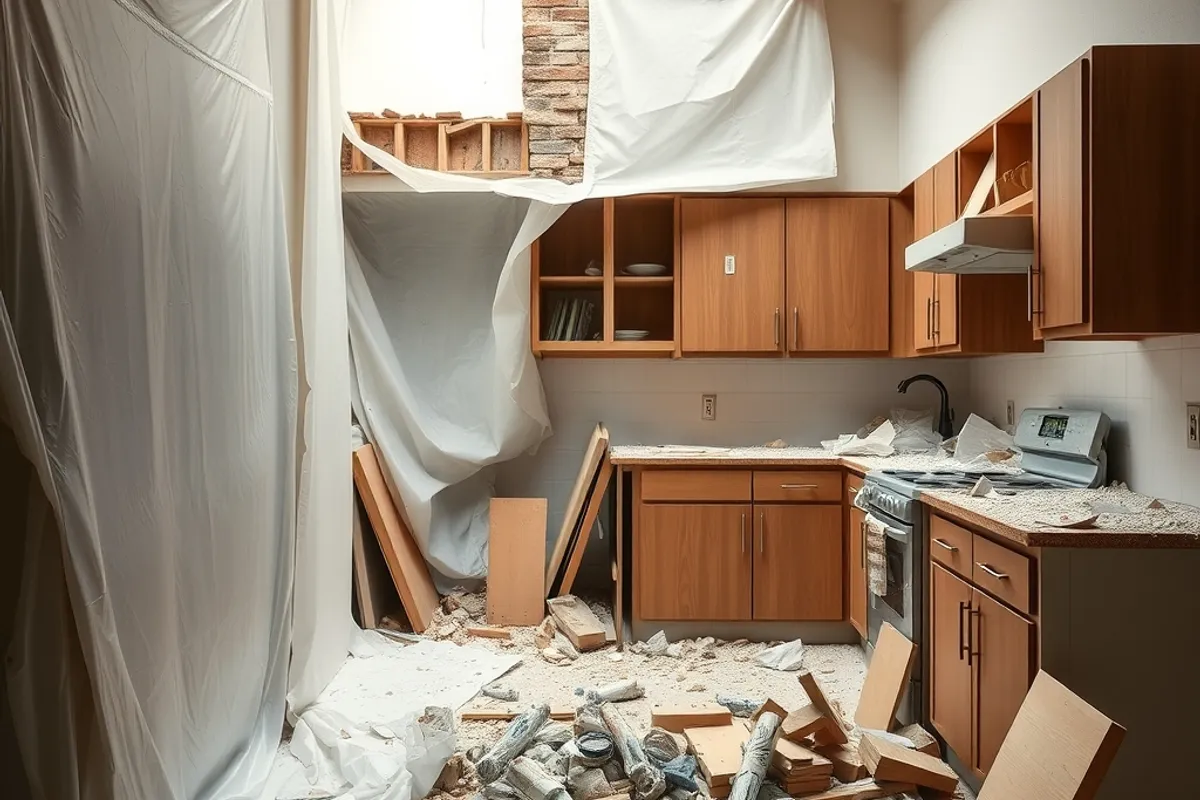
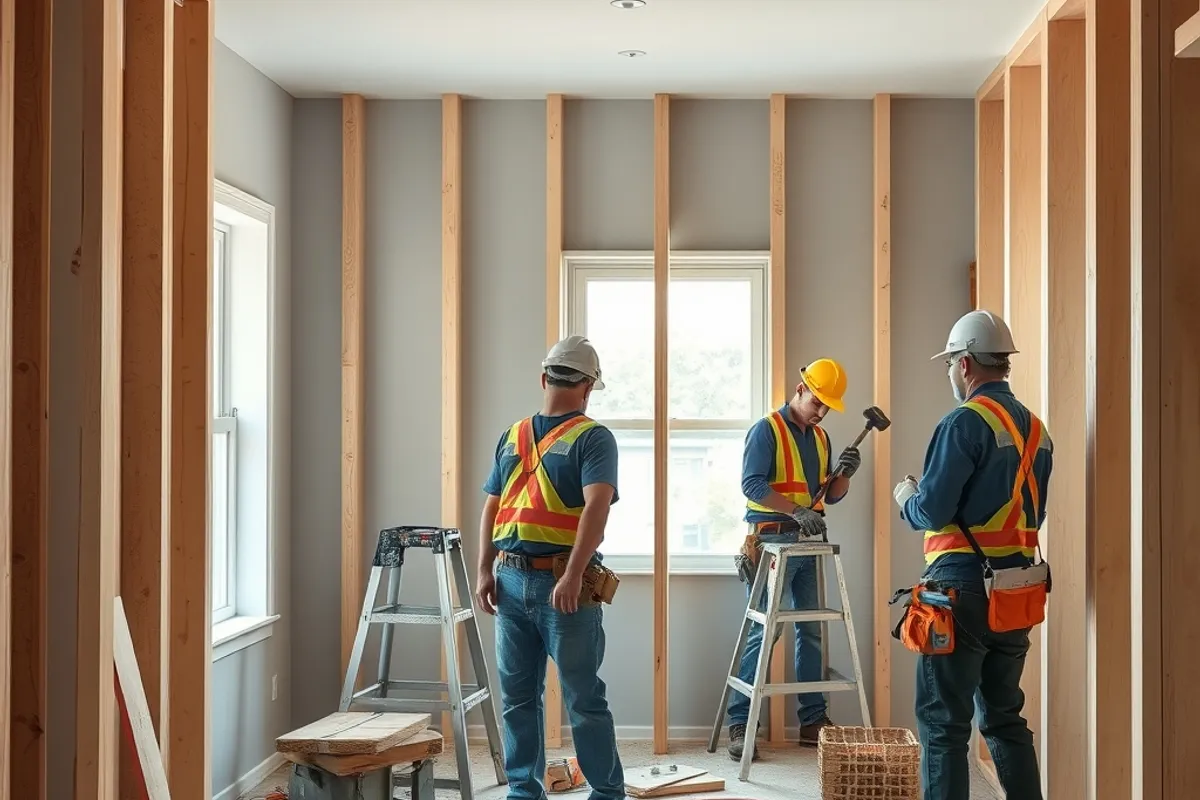
Construction runs in sequence: demolition, rough framing and services, inspection, insulation and drywall, finishes, fixtures and punch list. Each trade needs access, and some steps need curing or inspection time before the next begins. A small bathroom can take four to eight weeks; a kitchen six to twelve; a larger renovation longer.
Expect surprises behind the walls. Old wiring, a hidden leak or a previous DIY repair can add days. A contingency in the budget and the schedule is not pessimism; it is the cost of working on an existing building.
Where delays come from
Most delays are not dramatic. They come from a decision made late, a material that arrives damaged, an inspection that fails on a detail, or a trade that is booked on another job. The best defence is a schedule with clear milestones and a weekly check-in that surfaces problems early.
Weather matters for exterior work, but it also affects delivery and curing. Winter slows concrete and painting; summer heat can affect adhesives and sealants. Build the season into the plan if the work is weather-sensitive.
Keeping the project moving
- Make decisions before they are needed, not when the trade asks.
- Order long-lead items at the start.
- Hold a weekly site meeting with a written update.
- Keep a shared folder for drawings, permits and change orders.
- Protect the critical path; do not start a second area too early.
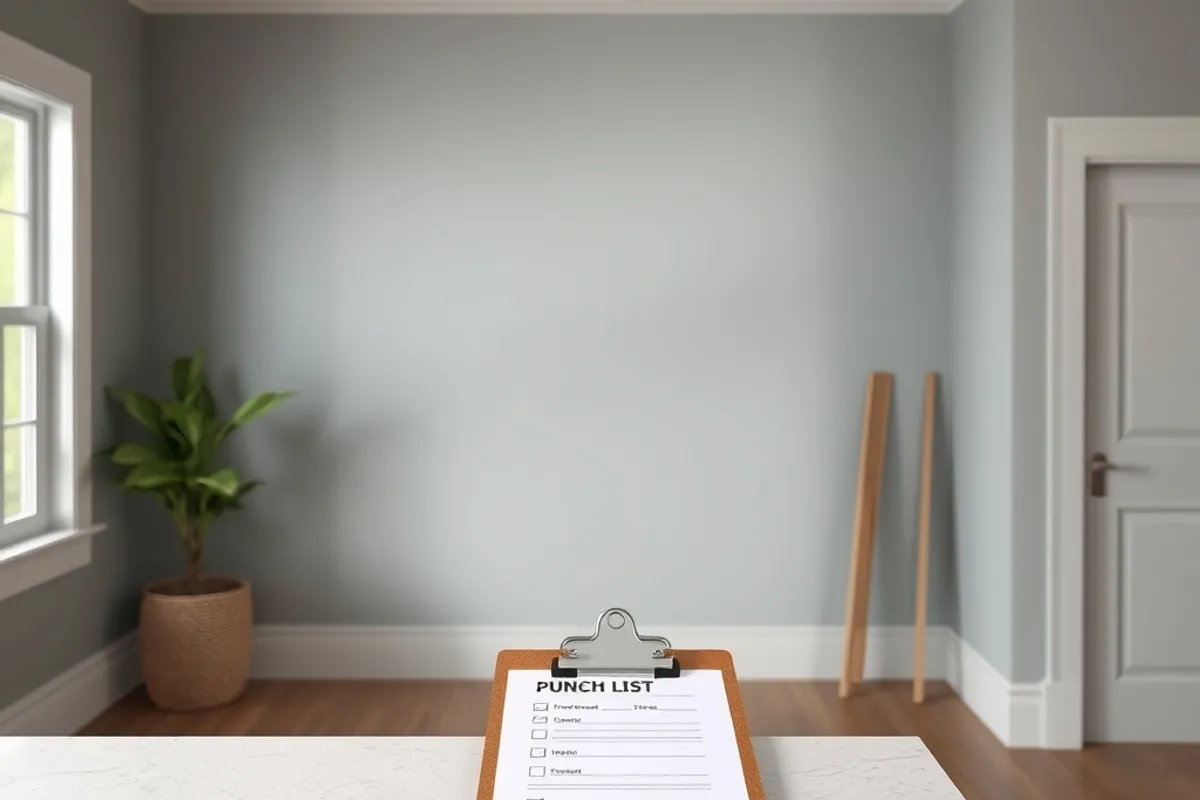
- Hold a punch list walk-through before final payment.
For the contract and payment side, see our contractor hiring guide. For the room-specific work, the kitchen budget and bathroom mistakes guides cover the details that most often change the schedule.