Buying a first home is a sequence of commitments, and each one costs money to undo. The property is only half the decision. The other half is the loan, the inspection, the insurance and the small repairs that become urgent the week you move in. This checklist is the order we would follow if we were buying again in 2026.
It assumes a normal resale purchase with a mortgage, because that is what most first-time buyers face. New builds, auctions and cash purchases change the details but not the logic: know what you are committing to before you sign.

Start with the total cost, not the listing price
A house advertised at $420,000 is not a $420,000 decision. Add the down payment, closing costs, lender fees, title insurance, prepaid taxes, moving and a repair reserve. Closing costs commonly land between two and five percent of the purchase price, and they are due before you own anything.
Then stress-test the monthly payment. A mortgage at the top of your approved budget leaves no room for a new roof, a broken furnace or a change in income. We prefer a payment that stays comfortable if one of those happens in the first two years, because one usually does.
- Down payment and closing costs, in cash and verified.
- Property tax, insurance and any HOA dues, at the real rate not the listing estimate.
- A repair reserve of one to three percent of the purchase price per year.
- Moving, immediate furniture and the utility deposits nobody remembers.
What to check at the viewing
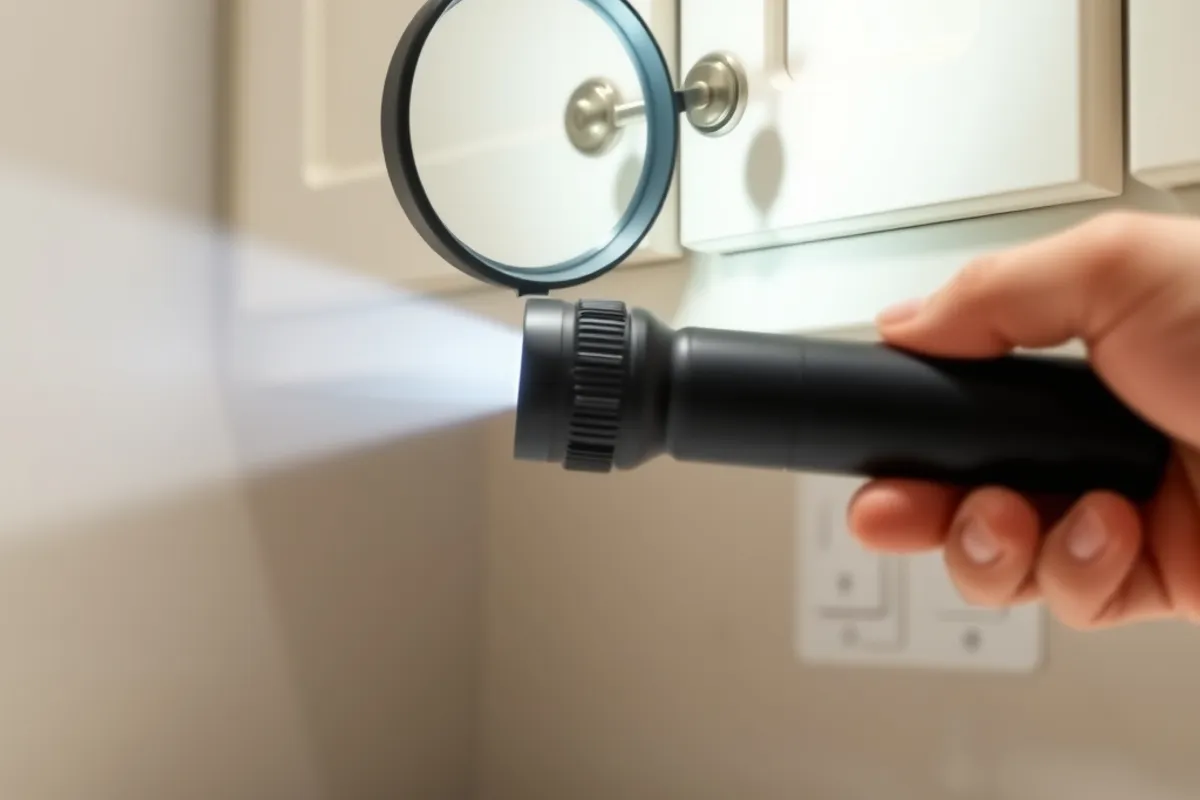
Visit in daylight, then again in rain if you can. Look at the roofline from across the street, the grade around the foundation, and the ceilings under bathrooms. Water leaves a story, and the story is expensive. Open every window, run every tap, and flush every toilet.
Ask how old the roof, HVAC, water heater and electrical panel are. An item that is fifteen years old is not a defect, but it belongs in your budget. Check the corners of the basement or garage for staining, and look behind furniture for cracks that the staging was arranged to hide.
A good viewing is not about falling in love. It is about finding the three things that will cost you money.
The offer and the contingencies
An offer is a contract, not a conversation. Read the deadlines for inspection, financing and appraisal, and understand what happens if you miss one. In a competitive market, buyers are tempted to waive contingencies. Waiving an inspection is how a first-time buyer inherits a foundation problem with no leverage.
Ask for a seller disclosure and compare it with what the inspector finds. If the seller says the roof was replaced in 2021, get the permit or the receipt. A disclosure that conflicts with the evidence is a reason to renegotiate, not a reason to walk automatically, but it should change your price.
Inspection, survey and insurance
Hire your own inspector, not the one recommended by the agent who wants the deal to close. Attend the inspection if you can; the report is useful, but the walkthrough is where you learn how the house actually works. A separate sewer scope and radon test are cheap compared with the problems they catch.
Get the survey and the title report early. A fence or an addition that crosses a property line can turn into a neighbour dispute after closing. Insurance is the other gate: in flood or wildfire areas, a quote can change the whole budget. Get the insurance quote before you remove the financing contingency.
The costs after the keys
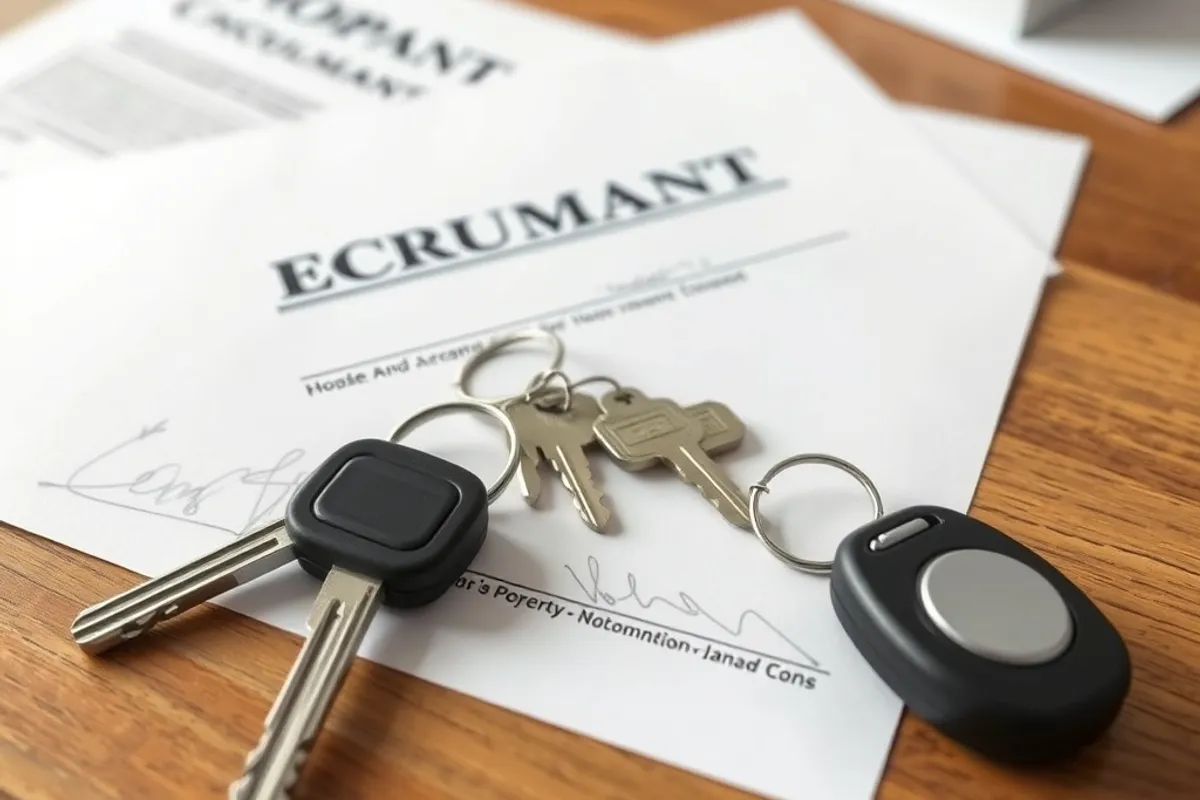
The first month is a list of small purchases: locks, a water filter, a ladder, a shop vacuum, window coverings. Some are optional. Changing the locks and testing the smoke and carbon monoxide alarms are not. Find the main water shut-off on day one, before you need it.
Keep a file with the inspection, the survey, the closing statement and every contractor receipt. When you sell, that paper trail is worth money, and when something fails, it tells you who did the work. A simple folder is enough.

The checklist in order
- Get a full-cost budget and a mortgage pre-approval you can afford.
- View in different weather; inspect the roof, drainage and services.
- Price insurance before you commit.
- Keep inspection and financing contingencies until the facts are in.
- Compare three lenders and read the closing disclosure line by line.
- Change the locks, test the alarms and locate the shut-off on day one.
If you are still deciding between buying and renting, compare the numbers honestly rather than the emotion. Our rental property ROI guide explains the calculation from the other side of the table, and it is a useful sanity check before you make a thirty-year commitment.