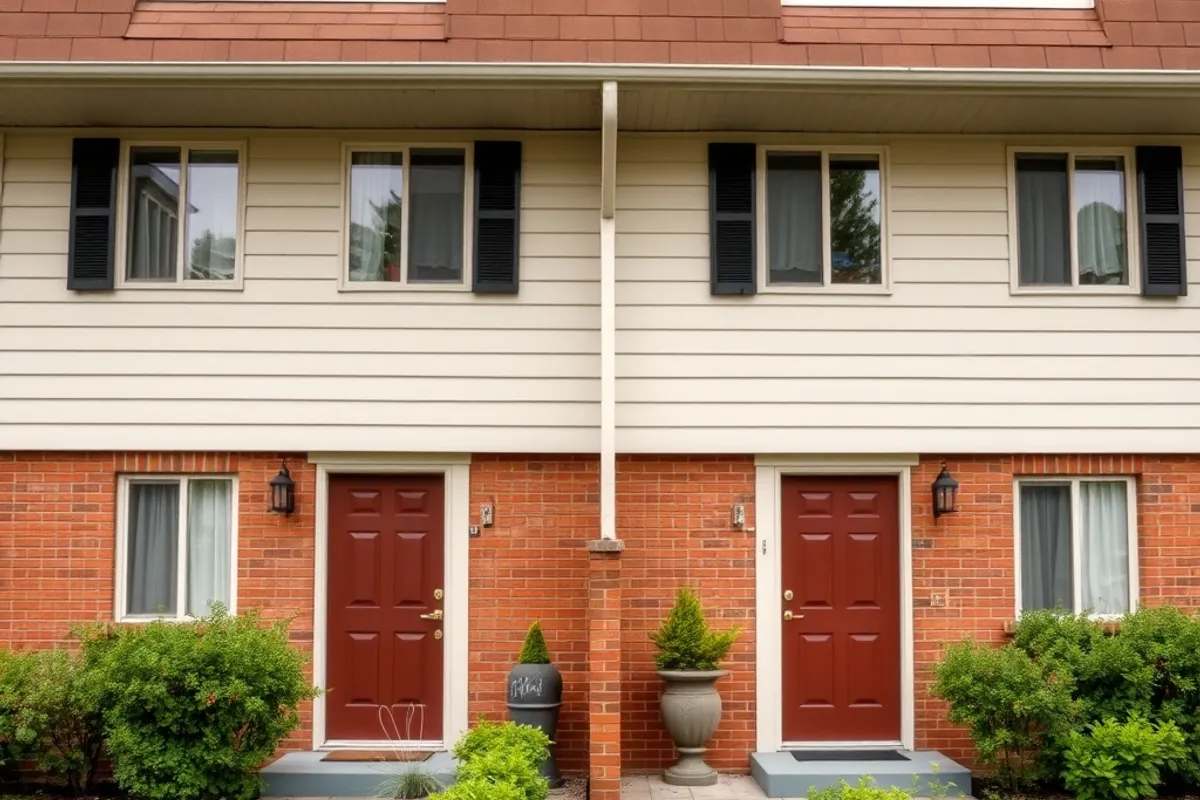
Rental property math looks simple until the first vacancy, the first water heater and the first tenant who leaves in the middle of a lease. The pitch focuses on rent and price. The reality is a small business with thin margins, and the owners who survive are the ones who budget for the boring months.
This is not a guide to getting rich from property. It is a guide to telling whether a specific deal will pay you or quietly drain you, using the numbers you can actually verify before you buy.

Start with net operating income
Gross rent is the headline, not the income. Subtract vacancy, management, repairs, insurance, property tax and any utilities or HOA dues you cover. What remains is net operating income, and it is the figure the property produces before the mortgage. A property with a seven percent gross yield can have a net yield near four percent once the real costs are in.
Vacancy is a real line item even in a strong market. Tenants move, units sit empty while you clean and paint, and the best tenant sometimes takes a month to find. Budget five to eight percent of gross rent in a normal market, more if the property is in a transient area or depends on one employer.
The costs that get left out
Maintenance is the usual omission. A roof, a furnace, a bathroom leak and a fridge are not hypothetical over ten years. A common rule is one percent of the property value per year for maintenance and capital reserves, but older buildings often need more. If the building is thirty years old and has not been updated, the reserve should be larger.
Management is another. Even if you self-manage, your time has a value, and a professional manager charges a percentage of rent plus leasing fees. Insurance for a rental is not the same as a homeowner policy, and in some regions flood or wildfire cover changes the number dramatically. Tax is not optional, even when the property is empty.
- Vacancy and credit loss.
- Repairs, maintenance and a capital reserve.
- Property management and leasing fees.
- Insurance at landlord rates, not owner-occupied rates.
- Property tax reassessment after purchase.

Cash flow, not just yield
Net operating income is before debt. Cash flow is what remains after the mortgage, and it can be negative even when the yield looks decent. Run the calculation with the actual loan terms, including principal, interest, taxes and insurance. Then run it again with a higher rate, because a loan that only works at the introductory rate is a bet, not a plan.
Consider the all-cash return as well. If you paid cash, what would the property yield after expenses? That number lets you compare the deal with a boring index fund and with other properties, without the mortgage distorting the picture.
A rental is a business with a building attached. If the business does not cash flow, the building is a liability with nice photos.
What appreciation can and cannot do
Appreciation is real, but it is not a plan for paying this month's bills. A market can be flat for years, and a forced sale in a down market turns a paper gain into a loss after fees. Underwrite the deal so it works on cash flow and use appreciation as upside, not as the reason the numbers close.
Rent growth deserves the same caution. A pro forma that assumes five percent annual increases every year for a decade is not a forecast, it is a wish. Check actual rents for comparable units, and call a local manager to ask what is vacant and what is being discounted.
The questions to ask before you buy
- What did the property actually net last year, with receipts?
- What is the age of the roof, HVAC, plumbing and electrical?
- What is the vacancy rate for this unit type in this submarket?
- What happens to cash flow at an eight percent mortgage rate?
- Who manages it, at what fee, and what does the contract allow?
If the seller cannot answer the first question with documents, treat the pro forma as marketing. A good deal survives a skeptical spreadsheet. A bad one only works in the pitch.
For the purchase process itself, see our first-home buying checklist, and for the physical work a property may need, browse the Remodeling section before you assume a cheap unit is cheap to fix.