Lighting is the cheapest renovation you can make, and the one most homes get wrong. A single ceiling fixture in the middle of a room produces flat light, hard shadows and a space that feels smaller than it is. Layering light fixes that without moving a wall.
The idea is simple: ambient light fills the room, task light supports what you do, and accent light adds depth. Every room needs some of each, but the balance changes with how the room is used.
Ambient, task and accent
Ambient light is the general illumination, usually from a ceiling fixture or a pair of floor lamps. It should be soft and even, not the only source. Task light is brighter and aimed at a surface: a reading lamp, a kitchen counter, a desk. Accent light highlights a wall, a plant or a piece of art and gives the eye somewhere to rest.
When these three work together, the room has depth. When only ambient light exists, everything is equally bright and nothing stands out. The fix is often as simple as adding two lamps and a dimmer.
Living room
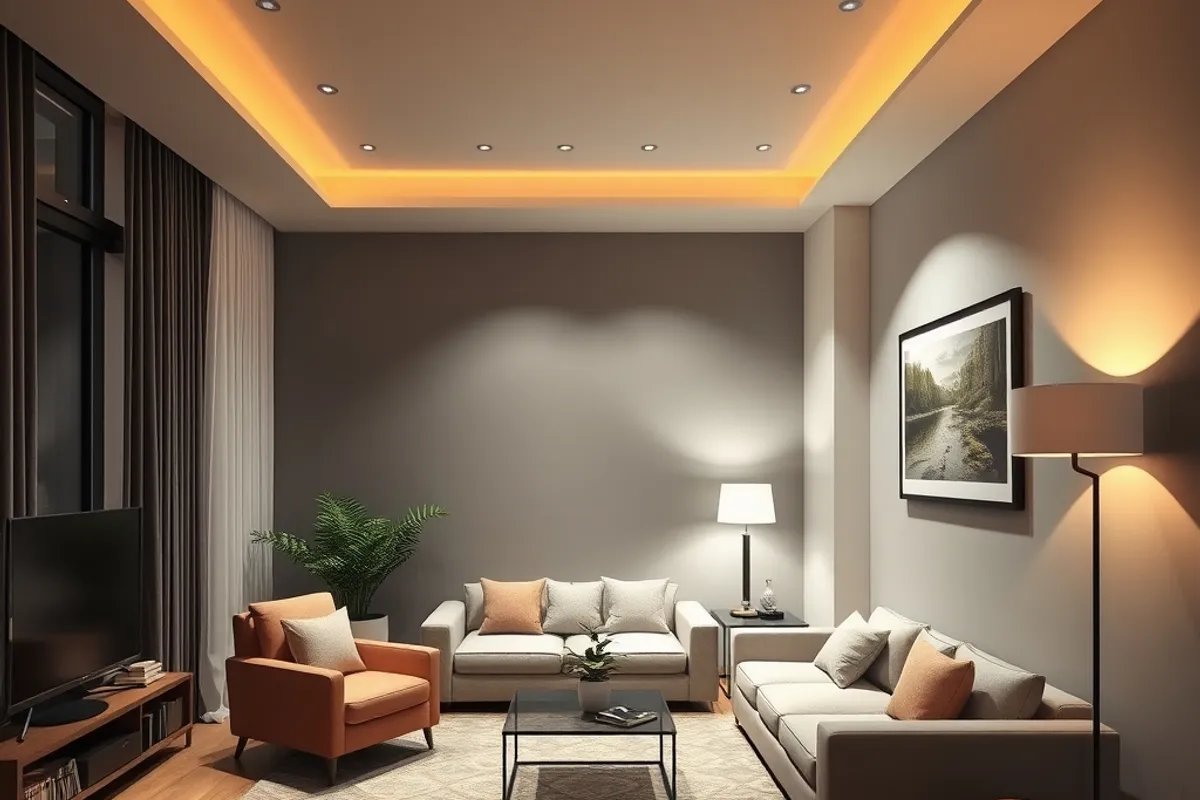
Use a dimmable ceiling light or a pair of floor lamps for ambient, a table lamp beside the sofa for reading, and a wall washer or picture light for accent. Keep the light warm, around 2700K, and avoid a single bright downlight over the seating. If the room has a dark corner, a floor lamp with an upward shade lifts it.
- Two or three sources, not one.
- Warm bulbs for evening.
- A reading lamp within reach of every seat.
- Dimmers on the main source.
Kitchen and dining
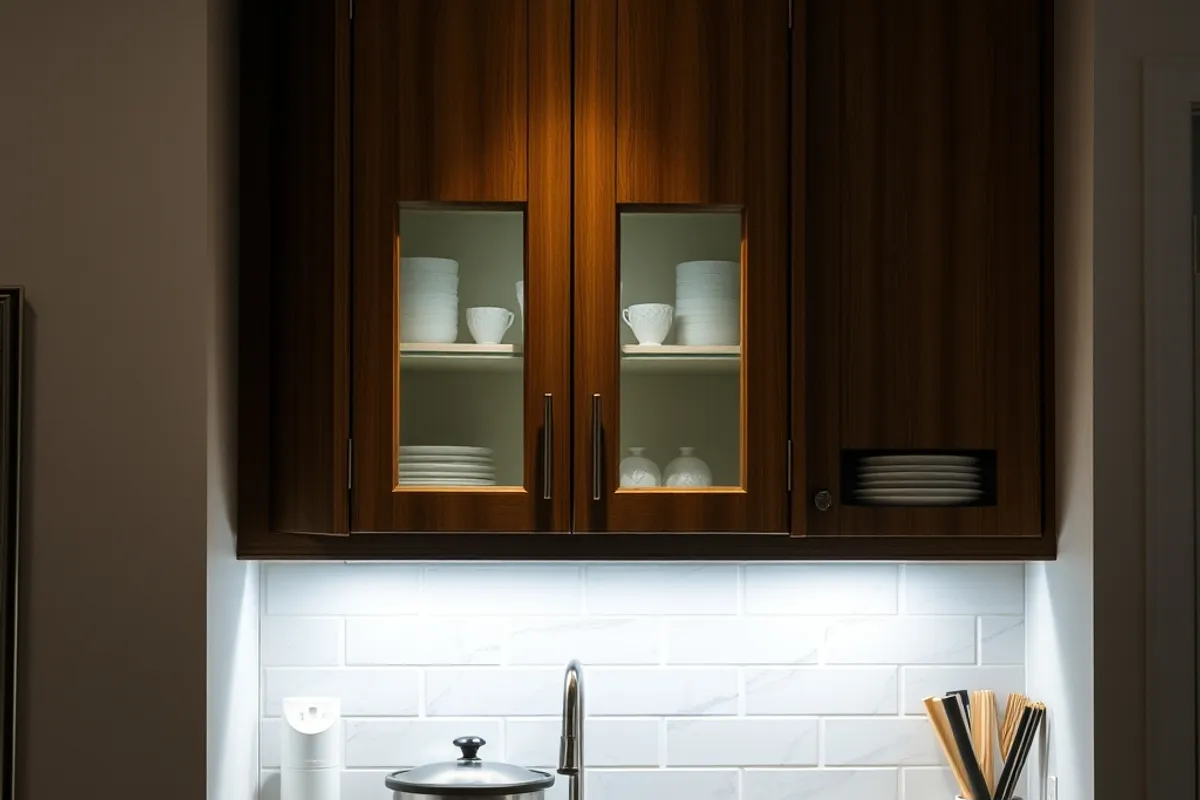
Kitchens need task light more than mood light. Under-cabinet strips light the counter where you chop, and a pendant over the sink or island adds focused light. Avoid relying on a single ceiling panel, which casts your shadow on the work surface. Use 3000-4000K for tasks and warm the dining area separately.
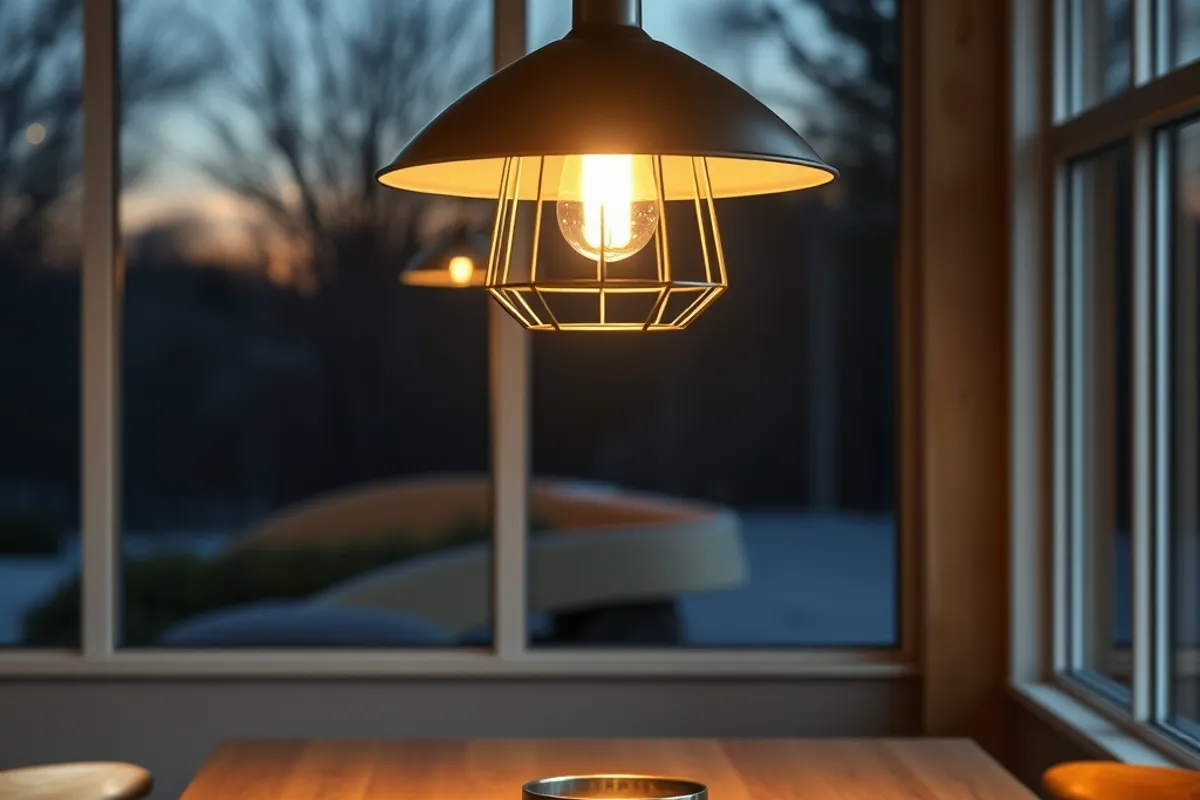
Over a dining table, hang the pendant low enough to feel intimate but high enough to see across the table. A dimmer makes the same fixture work for breakfast and dinner. Candlelight is optional; the dimmer does most of the work.
Light the surfaces you use and the walls you want to see. The floor will take care of itself.
Bedroom
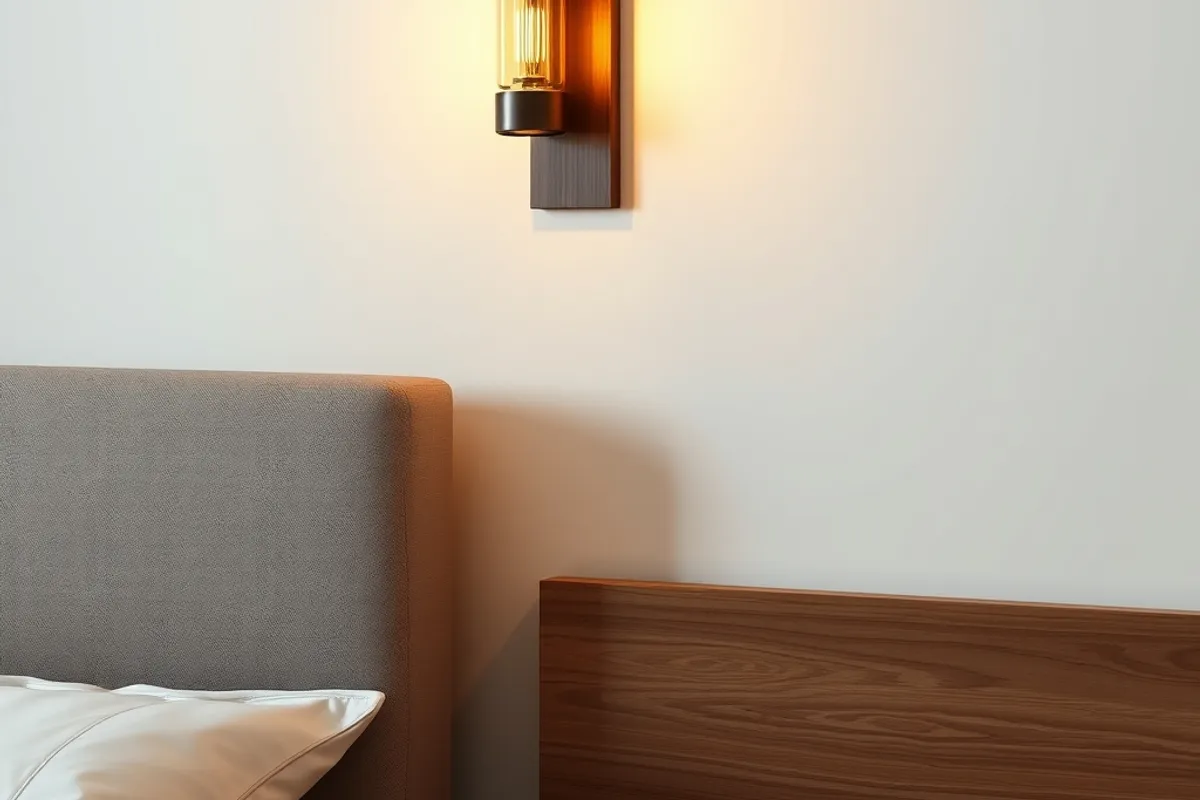
The bedroom needs low, warm light and the ability to go dark. Use bedside lamps or wall sconces for reading, a soft ambient source, and blackout curtains for sleep. Avoid a bright ceiling light as the only option; it wakes you up more than it helps you find your shoes.
Wall sconces free up bedside table space and put light at eye level. A dimmer or a smart bulb lets you lower the light before bed. Keep the colour warm and the brightness low for the last hour.
Bathroom and hallway
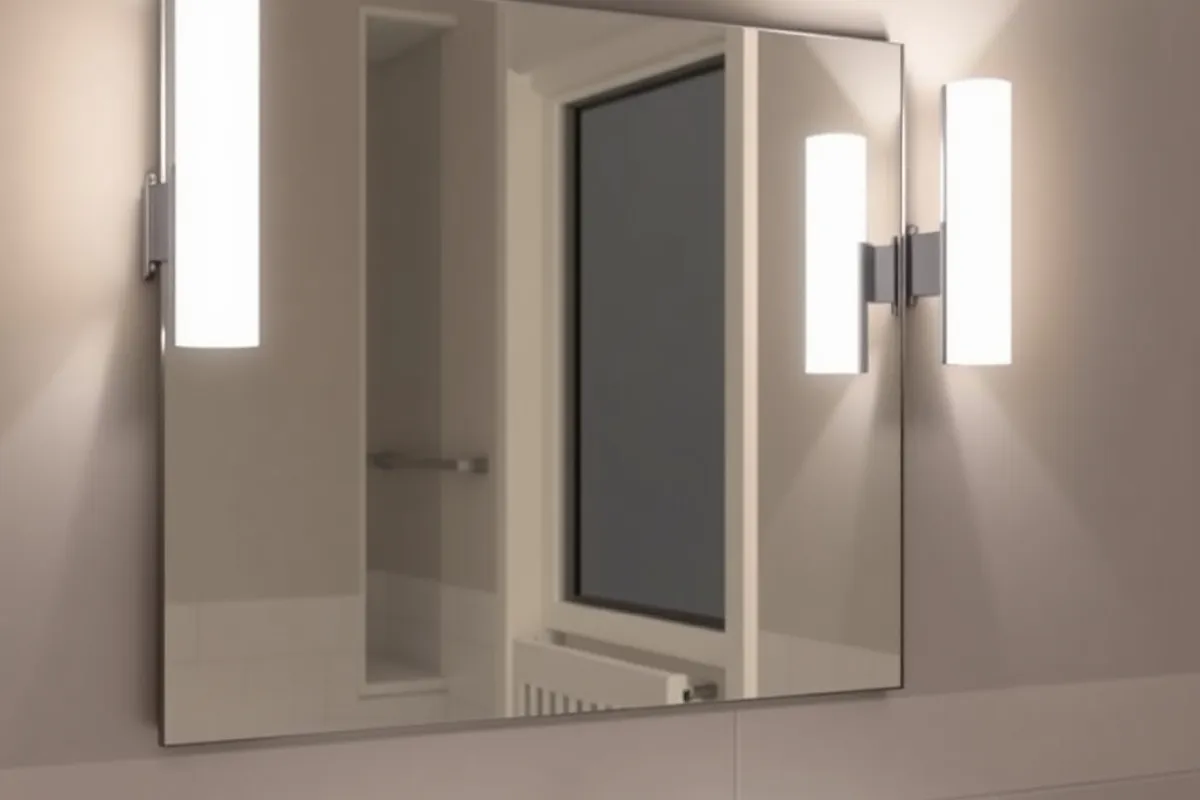
Bathrooms need light at the mirror, not only overhead. A pair of sconces at face height reduces shadows for shaving and makeup. Use a warm-neutral bulb and a separate light for the shower or bath. Hallways benefit from wall lights or a series of small ceiling lights rather than one bright fixture at the end.
Stairs need clear, even light with switches at both ends. This is a safety issue, not a design one. Put a light at the top and bottom, and make sure the treads are visible without glare.
A simple upgrade plan
- Count the layers in each room; add the missing one first.
- Replace the brightest bulbs with dimmable warm ones.
- Add a lamp in the darkest corner.
- Put task light where you actually work.
- Light one wall to add depth.
If the room still feels flat, the problem is usually the ceiling light, not the furniture. For layout advice in a compact space, read our small living room decor guide and browse the Home Decor section.